By: CAH Medical | Sichuan, China
Tibial shaft fracture ranks among the most common long-bone traumatic injuries worldwide. The interlocking intramedullary nail has become the primary surgical solution for tibial fracture repair. Based on massive clinical consultation questions focused on surgery pain, recovery cycle, complications and implant performance, we elaborate the clinical advantages of our tibial interlocking nail system and global wholesale procurement service.
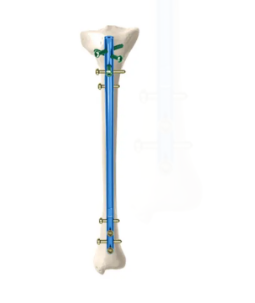
I: Core Application & Clinical Advantages of Tibial Interlocking Nail
Tibial interlocking nail (also called intramedullary nail) is implanted into the medullary cavity of tibia, with locking screws fixed at both proximal and distal ends, forming stable intramedullary fixation structure.
Core clinical merits:
1. Biomechanical superiority: Central intramedullary fixation bears stress evenly, avoids stress shielding caused by plate internal fixation, effectively prevents postoperative fracture displacement and bone nonunion.
2. Minimally invasive trauma: Small surgical incision, less damage to periosteum and surrounding soft tissues, greatly accelerates bone healing speed.
3. Wide indication: Suitable for all types of tibial shaft fractures, including comminuted fractures, open fractures and delayed union fractures.
Compared with traditional external fixation and compression plate fixation, this system owns higher surgical success rate, fewer postoperative complications such as knee pain, malalignment and limb shortening. Our implant adopts medical-grade titanium alloy, excellent biocompatibility, fully conforms to international AO trauma orthopaedic standards, compatible with universal orthopedic surgical instruments.
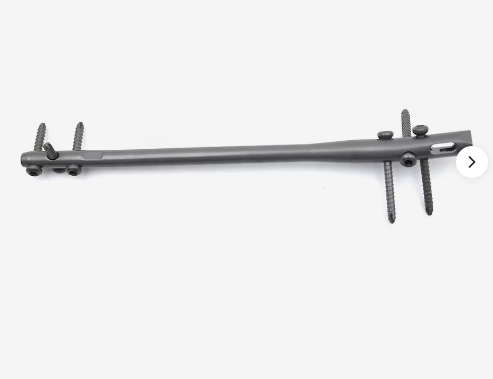
II: Full-cycle Postoperative Recovery, Limitations & Patient Concerns
Patients and orthopedic practitioners pay highest attention to postoperative rehabilitation experience, we sort out universal clinical rules:
1. Recovery & weight-bearing timeline
● Partial weight-bearing walking can be carried out 2~6 weeks after surgery under doctor’s guidance; full normal walking is generally realized within 3 months.
● Hospital stay lasts merely 3~7 days after routine tibial nailing operation.
● Complete bone healing takes 4~6 months; implant removal can be arranged 12~24 months postoperatively once fracture fully heals.
2. Main limitations & common complications
● Mild anterior knee pain is the most prevalent postoperative discomfort, mainly related to nail entry point stimulation on patellar tendon.
● Rare risks include nail loosening, breakage, limb length discrepancy and delayed bone healing, which can be largely reduced by precise surgical operation and high-precision implants.
● Contraindication: Not applicable for patients with severe tibial metaphyseal comminution and serious medullary cavity deformity.
3. Daily life guidance after surgery
Patients can gradually bend knee, turn over and sleep in comfortable positions; driving is permitted 2~3 months after operation with recovered limb strength. Our standardized nail kits contain complete specifications to match different height, fracture positions of patients, meeting diversified clinical demands.
Why Global Medical Distributors & Hospitals Choose Our Tibial Interlocking Nail System
✅ Factory direct sales without intermediate vendors, favorable bulk wholesale price
✅ Complete size specifications, customizable length & diameter for adult and pediatric patients
✅ Medical titanium alloy material: anti-corrosion, high toughness, safe for long-term implantation
✅ Strict quality inspection, CE compliant, valid for global hospital procurement & tender projects
✅ Support OEM packaging, flexible minimum order quantity for trial orders
Get Your Exclusive Wholesale Quotation
Email us: cah@medtechcah.com
WhatsApp/Call: +86 15008449628
Post time: Aug-26-2026