By CAH Medical | Sichuan, China
In this special press release, patients, families, and healthcare providers will find a practical resource for double hip replacement recovery and postoperative activity restrictions based on research.
I. Time to Develop Mobility after Double Hip Replacement
A total hip replacement is considered to be a large-scale joint surgery. With the advance of minimally invasive surgery condition and the standard rehabilitation process, patients can be safely taken to move around shortly after surgery, and the rehabilitation process will continue smoothly after the initial moving.
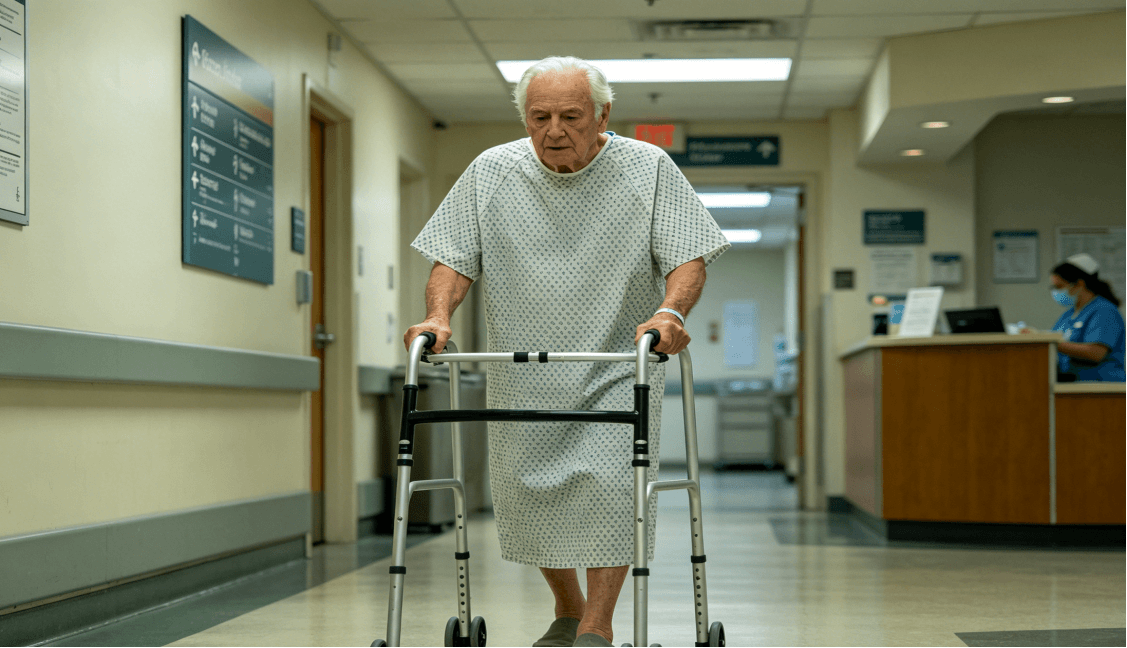
Within the 24-48 hours after surgery, most patients are able to successfully stand and walk short distances using a walker or crutches. A physical therapist is available to provide one-on-one ayuda with your gait training and/or weight-bearing exercises to help you remain safe during this time period, and gain confidence once again.
The general timeline for your overall recovery is as follows:
One-to two weeks: walking independently inside your home with the assistance of a walker or crutches, doing basic self-care tasks.
Four-to six weeks: walking outside your home for longer distances, performing light daily activities.
Three months: you’ll be able to do most daily movements almost as well as you used to.
three–to–six months: Complete functional mobility, muscle strength.
With a therapist’s approval, stairs may be climbed about a week after surgery. Patients should follow the rule: lead with the stronger leg when going up, lead with the operated leg when going down.
Ⅱ. Sleep and Activity Restrictions Following Bilateral Hip Replacements
Following bilateral hip replacement surgeries, strict limitations must be followed regarding physical activities to minimize the risk of dislocating the new prosthetic hip(s).
What NOT To Do After Your Double Hip Replacement
Do not incline your body forward (bend) at the hip further than 90°. Thus, do not squat deeply, sit on very low chairs/stools. Do not cross your legs/ankles whether your are sitting, standing or sleeping. Minimize excessive internal rotation or sudden twisting of the hip joint. Do not lift very heavy objects, or engage in highrligt;impact such as running, jumping, basketball, and football.
Traditional recliners push the hips into a deep bend or even just a wobbly angle, so the dislocation risk is greatly increased. An arm-rested chair with firm cushions is a much safer option for hip replacement patients.
Sleep position after two hip replacements?
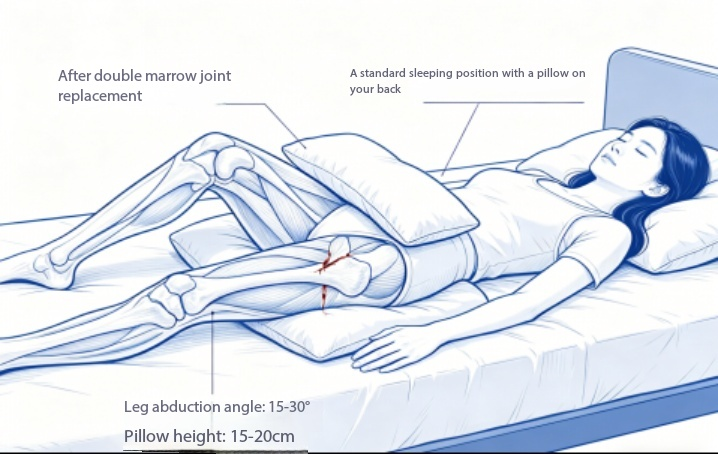
Most favourable position: sleeping on your backside and placing a pillow in between the legs so you maintain the hips’ alignment. When sleeping sidewards, placing a large pillow in between the legs keeps the body in the same neutral position. Avoid sleeping on your stomach or rotating your lower body. A standard firm bed than a recliner would provide more safety and support in long-term recovery.
Conclusion
Double hip replacement is a safe and effective procedure for severe hip arthritis. With early mobilization, proper restrictions, and structured rehabilitation, most patients achieve excellent pain relief and functional recovery.
Post time: Apr-27-2026