By CAH Medical | Sichuan, China
For buyers seeking low MOQs and high product variety, Multispecialty Suppliers offer low MOQ customization, end-to-end logistics solutions, and multi-category procurement, backed by their rich industry and service experience and strong understanding of emerging product trends.
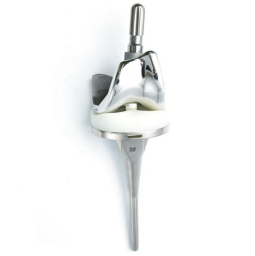
Ⅰ. What is the newest method of knee replacement?
Knee arthroplasty is an orthopedic surgery that restores joint function with artificial prostheses by replacing the damaged part of the knee joint, and is suitable for patients with severe osteoarthritis, rheumatoid arthritis or traumatic joint injury. The operation needs to be performed under anesthesia, including removing the diseased tissue, accurately installing the prosthesis, and resuming joint movement after the operation in combination with rehabilitation training.
1. Anesthesia and Body Position
Anesthesia method: Spinal anesthesia (hemibody anesthesia) or general anesthesia is mostly used.
Fixed position: The patient is in a supine position, and the affected limb is disinfected and elevated to facilitate exposure in the operative field.
2. Incision and exposure
A longitudinal incision (about 15-20 cm) is made in front of the knee joint, and the skin, fascia and muscles are cut layer by layer to expose the joint cavity.
Remove damaged meniscus, hypertrophic osteophytes and diseased synovial tissue.
3. Bone surface treatment
Use an osteotomy guide to precisely amputate damaged cartilage and part of the bone in the femur and tibia to preserve healthy bone tissue.
Depending on the type of prosthesis, choose whether to remove the patellar articular surface (most of the original patella is preserved).
4. Implantation of prosthesis
Cemented prosthesis: Apply bone cement to the osteotomy surface, then fix the metal femoral component, tibial support, and polyethylene spacer.
Uncemented implants: Promote bone growth through a porous coating, suitable for patients with good bone conditions.
Ⅱ.What are the disadvantages of a hinged knee replacement?
Condition analysis: Rotational hinge knee arthroplasty is mainly used for knee joint lesions with severe deformity or ligament defects, and although it is of great value in specific situations, it also has some shortcomings.
1. Complex design: The design of hinged knee prosthesis is more complex because it needs to meet both flexion and rotation movements.
2. The risk of movement: Compared to other types of knee prostheses, the hinged knee may be more likely to cause implant moving. Because it requires better fixation, and during the surgery process precise installation must be ensured.
3. Infection risk: The doctor create a large-area wound when performing a surgery ,the complex structure of the hinged knee and large surface of the patient’s wound may increase the risk of infection.
4. Limited range of motion: Although it allows a rotation, the range of motion may still be restricted, which means that it has some limitations. So the hinged knee prothesis only applies in some special situation.
5. Limited Indications: Hinge knee arthroplasty is only suitable for specific severe cases and is not applicable to all patients. It is neccessary to select the right surgical method to avoid aftereffects. The first step for a doctor is to judge the condition of the patients.
Hinge knee arthroplasty has unique applications and limitations. When choosing this surgical method, it is necessary to consider the patient’s specific circumstances and e valuate the risks and benefits.
Post time: Jan-12-2026